 Nexus
Searching for the best cold email software 2026 has to offer is confusing, because almost every tool promises the same thing: more replies and more booked meetings. The truth is that the best cold email software for a freelancer is not the best cold email software for a ten person sales team. This guide explains what cold email software actually does, which features matter, and how to choose a tool without wasting money.
What is cold email software?
Cold emailing software is a tool that helps you send personal looking emails to people who have not heard from you yet, then follow up automatically and keep track of the replies. Some people call it email sales software, others call it cold email outreach software or cold email marketing software. The names differ, but the job is the same: send the right message to the right person at the right time, from your own mailboxes, without ending up in spam.
A good tool replaces a messy mix of spreadsheets, a mail client and reminders. Instead you import a lead list, write a short sequence, pick the mailboxes you want to send from and let the cold email automation software do the sending while you handle the replies.
The kinds of cold email tools you will find
- Budget tools. If price is your first filter, read our guide to cheap cold email software, including how a cold email software lifetime deal really works.
- Free and open source tools. Fine for learning, but they have hidden costs. See open source cold email software and free options.
- Bulk senders. Built for volume, and only safe with limits and warmup. See bulk cold email software.
- Campaign tools. Focused on sequences, personalization and replies. See cold email campaign software.
- Services instead of software. If you would rather outsource, compare cold email companies and software.
The best cold email marketing software for you is usually one of these types, matched to your budget and your time. There is no need to pay for features you will not use.
10 things to check before you pick software for cold email
1. Mailbox warmup
A new mailbox that suddenly sends 100 emails a day looks suspicious to Gmail and Outlook. Warmup builds a normal looking history first. Look for software that warms up mailboxes and also lets you keep a light warmup running in the background. Our guide on how to warm up a new email address explains the process in detail.
2. Safe sending limits and a gradual ramp
The best cold email sending software does not let you jump from five emails to five hundred in a day. It lets you set a daily limit for each mailbox and raise the volume slowly. This is one of the biggest differences between a good cold email sending software and a risky one.
3. Follow up sequences
Most replies come from the second, third or fourth email, not the first. You need multi step sequences with a waiting time between steps, and the sequence must stop the moment a lead replies. Follow ups should arrive in the same thread so the lead sees one conversation.
4. Personalization and spintax
Variables such as first name and company make an email feel personal. Spintax, for example {Hi|Hello|Hey}, makes each email slightly different. Both are basic requirements for any serious cold email campaign software.
5. A single inbox for all replies
If you send from five mailboxes, you do not want to log in to five accounts. A unified inbox collects replies from every mailbox and lets you label them by interest level.
6. Deliverability protection
Look for bounce protection, mailbox health checks and automatic pausing when something goes wrong. A tool that keeps sending from a damaged mailbox makes the damage worse.
7. Analytics and reports
You should see sent, replied and bounced counts per campaign. If you work for clients, branded reports save hours every month.
8. The pricing model
Some tools charge every month per user, per mailbox or per number of emails. Others sell a fixed term license. Neither is always better, but you should know the total cost over a year before you decide. We explain this in more detail in our guide to cheap cold email software.
9. Where your data lives
Your lead lists and mailbox passwords are valuable. Some tools store them on their own servers. Others, like desktop software, keep them on your computer. Think about which one you are comfortable with.
10. A real way to test it
The best cold email outreach software lets you try the product before you pay. A free trial with real features tells you more than any comparison page.
Cloud, desktop and self hosted: which type fits you?
Cloud tools run on the vendor's servers. You open a website, and everything is stored online. They are easy to start with, but monthly prices add up and your data lives with the vendor.
Self hosted scripts are installed on your own server. You get control, but you also have to maintain the server, the database and the mail checking jobs.
Desktop software installs on your computer like any normal program. Your data stays on your machine, and you do not need a server. The trade off is that the computer must be on and online while campaigns run.
Where NexusSender fits
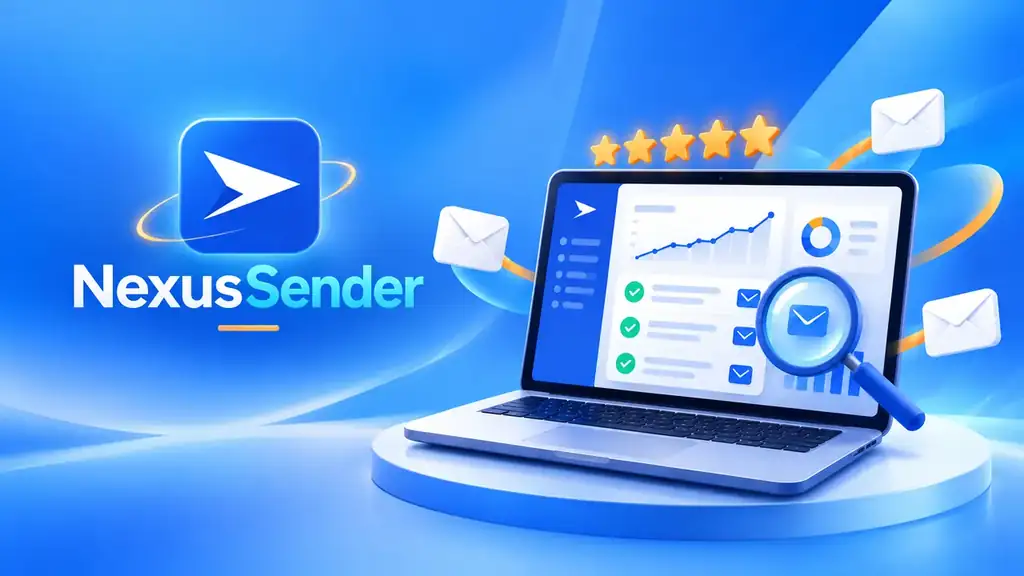
NexusSender is cold email software for Windows 10 and 11. It includes mailbox warmup, multi step sequences with spintax and variables, a unified inbox, a health score with bounce protection, analytics and branded client reports. It works with Gmail, Outlook, Yahoo, Zoho Mail, Namecheap and any provider that offers SMTP and IMAP. Your leads, email texts and mailbox passwords stay on your own computer.
It is not the right tool for everyone. It runs on Windows only, and you bring your own mailboxes. If you want a tool that lives entirely in the browser, a cloud product is a better match. If you want software for cold email that you control, with no monthly bill, it is worth a look. You can start a free trial and decide for yourself, or read the How to Start guide to see the whole flow first.
A simple way to compare the top cold email software
Instead of trusting a list of the top cold email software, make your own short test:
- Write down your real needs: how many mailboxes, how many emails a day, how many people use the tool.
- Pick two or three tools that fit and start a free trial of each.
- Connect one real mailbox and send a small test campaign to your own addresses.
- Check the reply inbox, the sequence settings and the reports.
- Calculate the cost over twelve months, not only the first month.
This takes an afternoon and saves months of regret.
Common mistakes when choosing cold email marketing software
- Choosing by price alone. The cheapest tool is not cheap if it burns your domain.
- Ignoring warmup. Without it, even the best cold email software will struggle to reach the inbox.
- Buying too much. A solo freelancer rarely needs team features.
- Forgetting the law. Always include an easy way to opt out, and follow the rules that apply to your market, such as CAN SPAM or GDPR.
Frequently asked questions
What is the best cold email software?
There is no single best tool for everyone. The best cold email software is the one that fits your volume, your budget, your way of working and passes your own trial.
Do I need special software to send cold email?
You can send a few emails by hand from any mail client. Once you send to dozens of people with follow ups, software saves time and protects your mailbox with limits and warmup.
Is cold email legal?
Cold email to business contacts is legal in many countries when you follow the rules, such as honest sender details, a clear way to opt out and relevant targeting. Rules differ by country, so check the ones that apply to you.
Ready to test? Start your free trial or look at the license options.
- best cold email software 2026
- best cold email software
- top cold email software
- cold email software
- cold email outreach software
- best cold email outreach software
- cold email marketing software
- best cold email marketing software
- software for cold email
- cold email automation software
- cold email campaign software
- cold emailing software
- cold email sending software
- email sales software